table of contents:
Introduction
Road Transport Morocco Europe plays a strategic role in international freight flows between North Africa and the European Union. As trade volumes continue to grow across industrial, agri-food, and commercial sectors, companies require reliable, compliant, and structured transport solutions to ensure secure cross-border operations.
This guide explains how road transport between Morocco and Europe works, the regulatory framework involved, and the key factors decision-makers must evaluate when selecting a logistics partner.
Why Road Transport Between Morocco and Europe Is Strategic
The Morocco–Europe corridor is one of the most dynamic trade routes in the region. Proximity to major European markets, combined with high-capacity ports such as Tanger Med, makes Morocco a key logistics hub for international freight.
Road transport Morocco Europe offers:
- Faster transit times compared to maritime-only solutions
- Greater flexibility for urgent and structured deliveries
- Door-to-door freight coordination
- Controlled and traceable cargo movement
For manufacturers, import/export companies, and distribution networks, road freight ensures operational continuity across borders.
How International Freight Morocco Europe Works
International freight between Morocco and Europe involves a coordinated multi-step process:
1. Transport Planning & Route Optimization
Strategic planning ensures optimized routing through Spain, France, Belgium, Germany, and other European destinations.
2. Customs & Documentation Management
Cross-border shipments require strict compliance with Moroccan and EU customs regulations, including CMR documentation and, when applicable, ADR compliance.
3. Fleet Allocation & Cargo Matching
Depending on the cargo type, operators deploy:
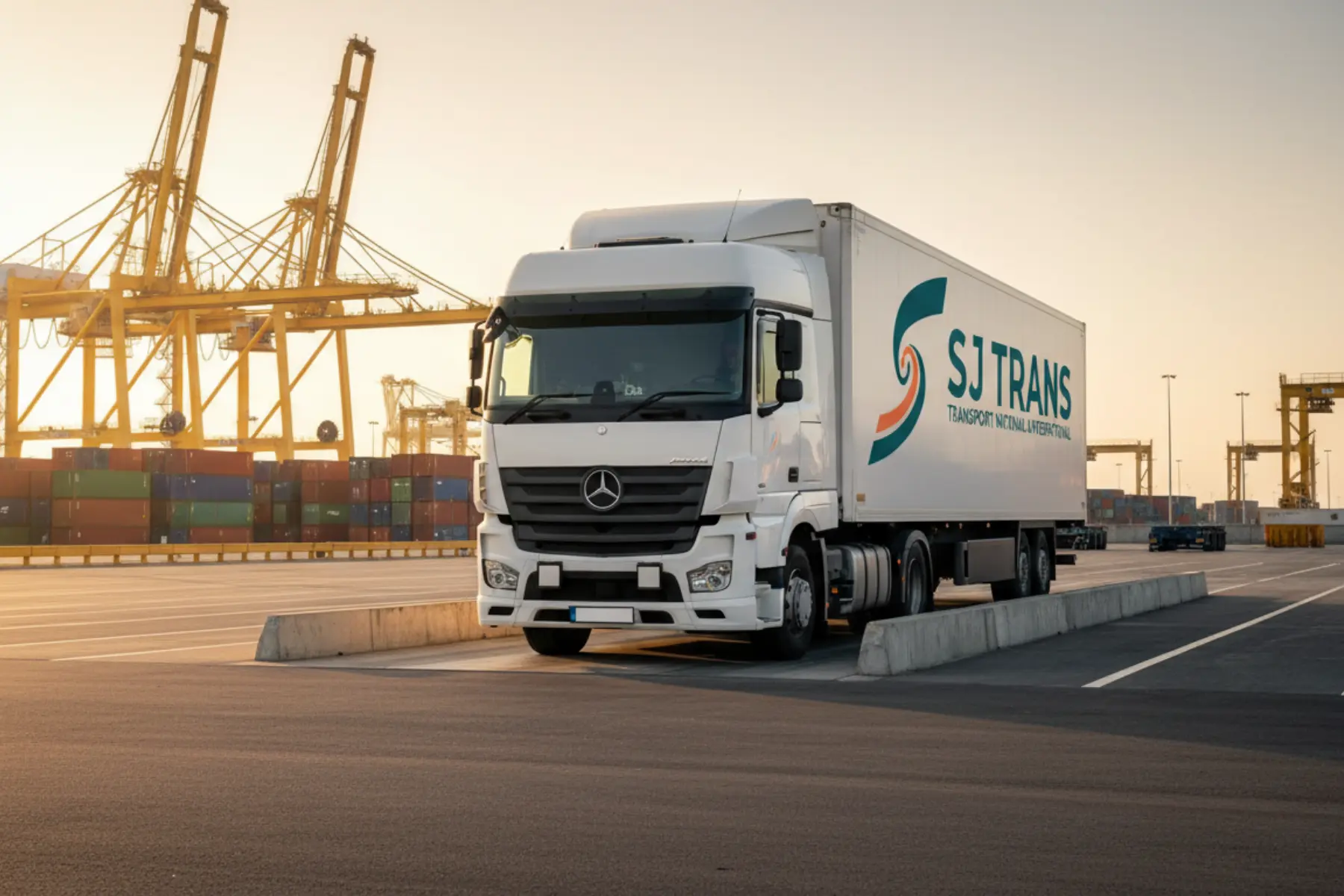
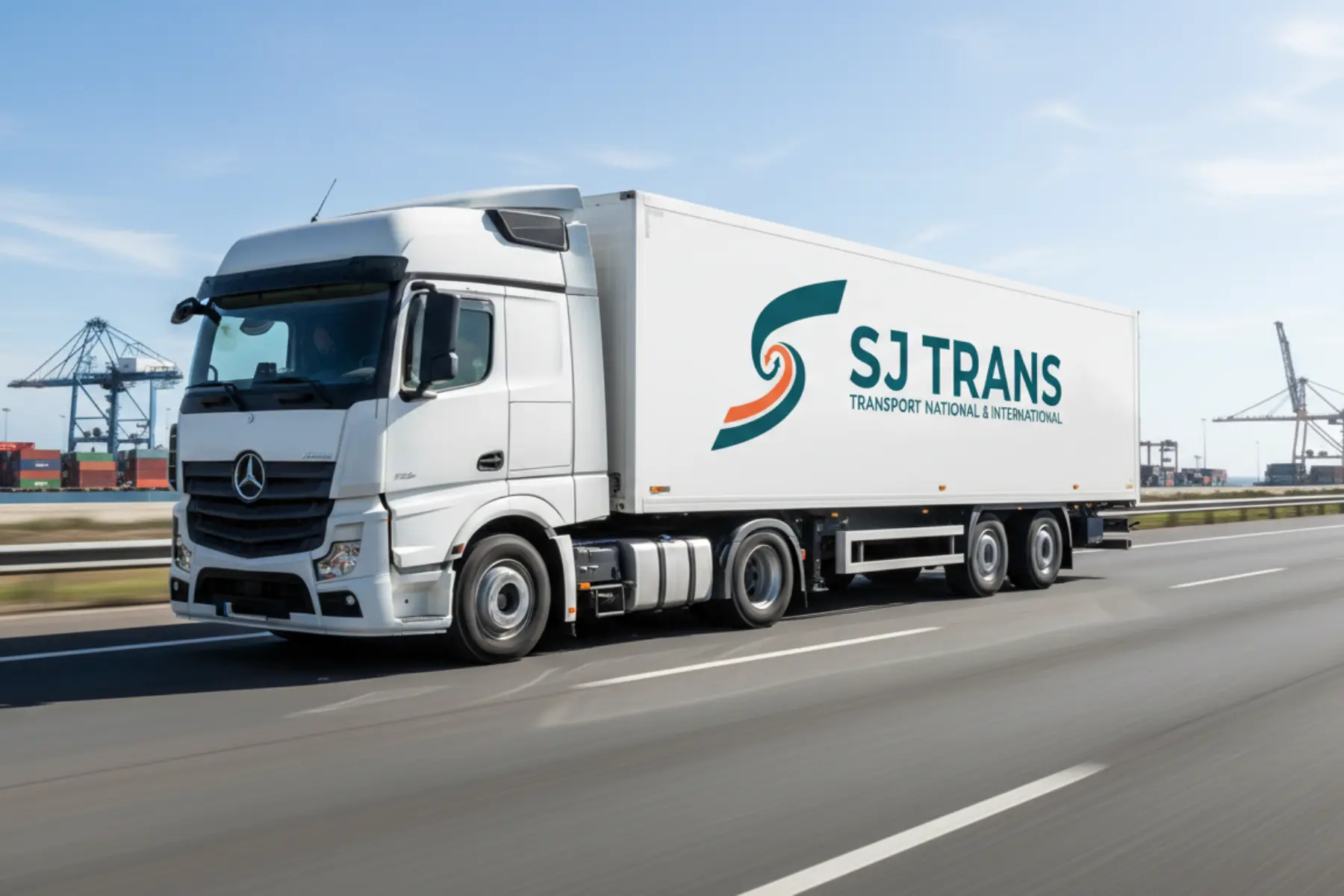
- Box trailers (secured palletized goods)
- Tarpaulin trailers (machinery & bulky cargo)
- Refrigerated trailers (temperature-sensitive goods)
4. Operational Monitoring
24/7 monitoring ensures shipment visibility, controlled lead times, and proactive coordination in case of route or regulatory adjustments.
Types of Cargo Commonly Transported
Morocco Europe logistics solutions typically support:
- Industrial manufacturing goods
- Agri-food and perishable products
- Temperature-sensitive cargo
- Commercial distribution freight
- ADR / regulated goods
Each category requires specific compliance procedures and operational guarantees.
Regulatory & Compliance Requirements
Road Transport Morocco Europe operates under strict regulatory frameworks, including:
- Moroccan transport regulations
- European Union transport legislation
- CMR Convention (Convention on the Contract for the International Carriage of Goods by Road)
- ADR regulations for dangerous goods
Choosing a compliant logistics partner reduces operational risk and ensures documentation accuracy.
Advantages of Road Transport Over Other Modalities
Compared to alternative freight options, road transport Morocco Europe offers:
- Higher flexibility for partial or full truck load (FTL) shipments
- Direct door-to-door service
- Reduced handling risks
- Faster response for urgent freight
For time-sensitive or structured supply chains, road freight remains a preferred solution.
Key Factors When Choosing a Logistics Partner
Decision-makers evaluating international freight Morocco solutions should consider:
Experience in the Morocco–Europe Corridor
Operational expertise across both regulatory environments is critical.
Fleet Modernity & Compliance
EURO 5 & EURO 6 vehicles support environmental and regulatory standards.
Certification & Quality Standards
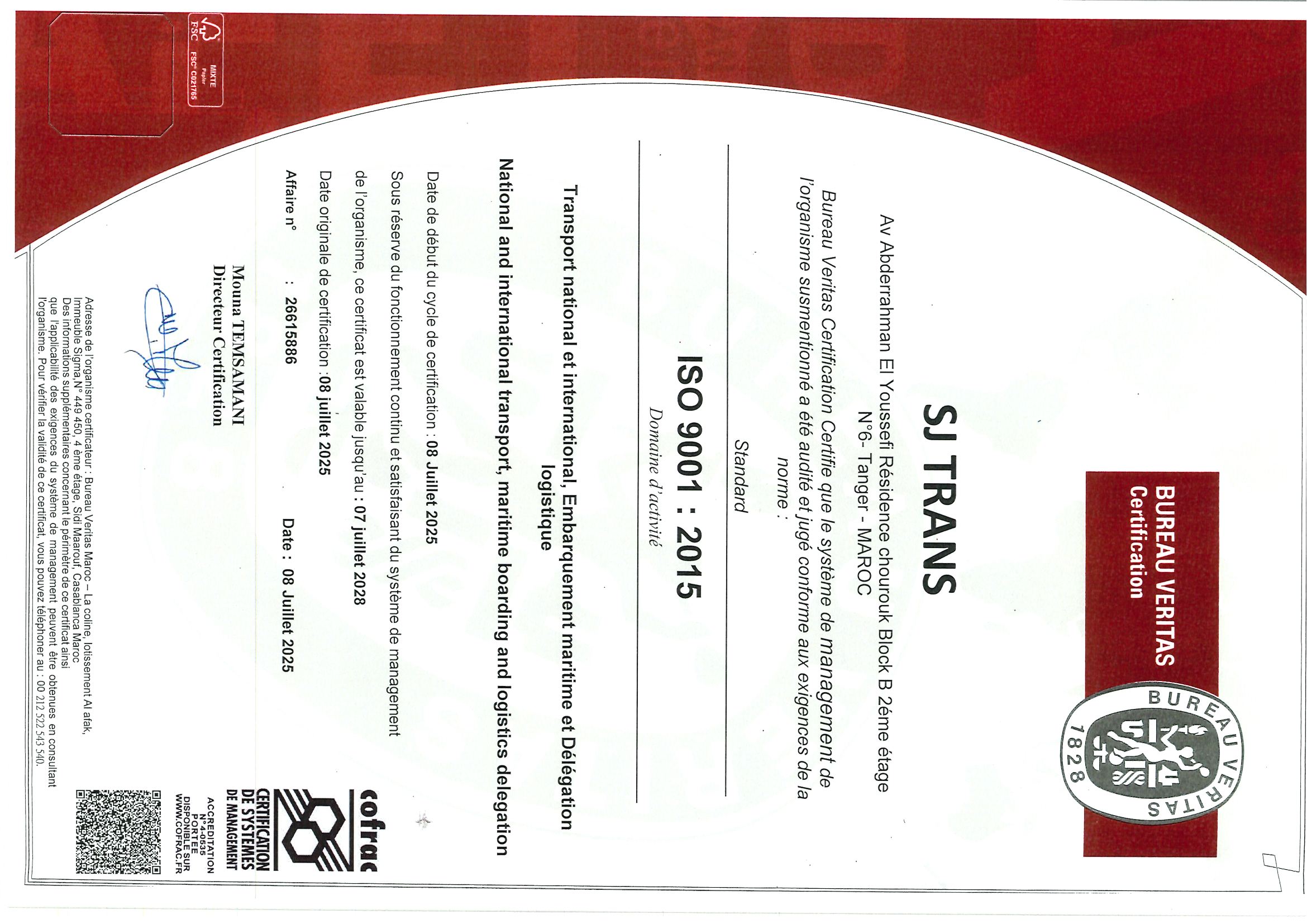
ISO 9001-certified processes ensure structured and traceable operations.
Operational Transparency
Real-time coordination and proactive follow-up enhance reliability.
Industries That Depend on Morocco Europe Logistics
Several sectors rely heavily on structured cross-border freight:
- Automotive & industrial manufacturing
- Agri-food exporters
- Textile & commercial goods distributors
- Import/export trading companies
For these industries, controlled transit times and compliance are essential.
Conclusion
Road Transport Morocco Europe remains a cornerstone of international freight between North Africa and the European Union. Its flexibility, regulatory alignment, and operational efficiency make it the preferred choice for structured cross-border logistics.
Companies seeking reliable Morocco Europe logistics solutions should prioritize certified operators with proven corridor expertise, transparent operations, and strong compliance management.
For tailored international freight Morocco Europe solutions adapted to your operational needs, partnering with an experienced logistics provider ensures performance, safety, and long-term supply chain continuity.